Monday, April 20, 2009

Women who breastfeed ‘less likely to suffer heart attacks’

Women who breastfeed their babies could protect themselves against heart attacks and stroke, research out today suggests.

Data carried out on 139,681 women found those who breastfed were less likely to suffer heart attacks, stroke or heart disease in later life.

Women who had breastfed their babies for more than a year were 10% less likely to develop the conditions than women who had never breastfed.

But even breastfeeding for at least a month could help cut the chances of women developing diabetes, high blood pressure and high cholesterol, which are all linked to heart disease.

The study, from experts at the University of Pittsburgh in the US, was carried out on women who had passed through the menopause. They were all asked about their earlier breastfeeding history.

On average, 35 years had passed since the women had last breastfed, suggesting the benefits of breastfeeding last many years.

One of the authors of the study, Dr Eleanor Bimla Schwarz, said: "Heart disease is the leading cause of death for women, so it's vitally important for us to know what we can do to protect ourselves.

"We have known for years that breastfeeding is important for babies' health; we now know that it is important for mothers' health as well.

"The longer a mother nurses her baby, the better for both of them.

"Our study provides another good reason for workplace policies to encourage women to breastfeed their infants."

The research was published in the journal Obstetrics and Gynaecology.

The research showed that women who had breastfed for more than a year in total were 12% less likely to have high blood pressure, around 20% less likely to have diabetes and high cholesterol, and 10% less likely to have heart disease than women who never breastfed.

The authors said: "These findings build on a growing body of literature that demonstrates that lactation has beneficial effects on blood pressure, risk of developing diabetes, and lipid metabolism."

Other studies have shown breastfeeding helps protect mothers against ovarian and breast cancer, and osteoporosis in later life. NHS experts say breastfeeding gives babies all the nutrients they need for the first six months of life.

It has also been shown to help protect infants against infections of the ear, stomach and chest. Breastfeeding also helps prevent urine infections, diabetes, eczema, obesity and asthma.

The Department of Health recommends exclusive breastfeeding for the first six months of life with additional breastfeeding while the baby moves on to solids if the mother wants to.

June Davison, cardiac nurse at the British Heart Foundation, said: "This study found that women who breastfed their children for more than a year were less likely to have high blood pressure, diabetes, hyperlipidemia and develop cardiovascular disease.

"Breastfeeding has long been thought to be beneficial to baby and mother. This research suggests that it might have also have heart health benefits for mum, too.

"However, it only showed an association between breastfeeding and these health benefits. We will need further research to understand why this is the case."

A surprise catch!

I attended a birth this past week that ended in a transport. Nothing life threatening - we just needed to go in because mom had been in labor for almost 24 hours with contractions coming every 3 minutes lasting 60-90 seconds and she was making no progress. She was exhausted!

When we got to the hospital, mom was able to get some much needed rest and a couple hours later it was time to push. The doctor walks in, asks her if she is ready and then looks at me and asks if I wanted to "deliver this baby." I was shocked. This is completely unheard of at our hospital to have a Traditional Midwife catch a baby at the hospital. He asked me how I wanted the bed set up, rolled the cart over to me and sat on the couch and chatting with me about the movie Baby Mama. It was all a bit surreal.

Mom pushed amazingly and in less than an hour her baby was out and on her chest.

I am constantly in awe of the wonderful treatment our local hospital gives my clients in transports. They are respectful and honor the wishes of my clients. It is a true blessing.

Wednesday, April 15, 2009

Omega 3 Fatty Acids and Depression

Besides great nutrition and hydration, I think one of the most important things you can do for you and your baby is taking a good Omega 3 supplement. My clients who take it regularly report feeling better emotionally both during and after their pregnancies.

Research

A small study of 38 women in Australia showed an association between depression and lower levels of omega-3 fatty acids during the third trimester of pregnancy.

A high intake of omega-3 fatty acids is already a recommendation for pregnant women because of the positive effect on brain development. The researchers noted that supplements are the best way to obtain these omega-3 fatty acids, because of the risk of mercury in fish.

— Six Minutes, www.6minutes.com.au/articles/z1/view.asp?id=471006

Tuesday, April 14, 2009

Home births 'as safe as hospital'

The largest study yet on the safety of home births suggests that, in most cases, the risk to babies is no higher than if they are born in a hospital.

Research from the Netherlands - which has a high rate of home births - found no difference in death rates of either mothers or babies in 530,000 births.

However, only women who were deemed to be at low risk of complications were included in the Dutch study.

UK obstetricians welcomed the study but said it may not apply universally.

Home births have long been debated amid concerns about their safety.

But the number of mothers giving birth at home has been rising since it dipped to a low in 1988. Of all births in England and Wales in 2006, 2.7% took place at home, the most recent figures from the Office for National Statistics showed.

The research - published in the BJOG - was carried out in the Netherlands after figures showed the country had one of the highest rates in Europe of babies dying during or just after birth.

It was suggested that home births could be a factor, as Dutch women are able and encouraged to choose this option.

But a comparison of "low-risk" women who planned to give birth at home with those who planned to give birth in hospital with a midwife found no difference in death or serious illness among either baby or mother.

"We found that for low-risk mothers at the start of their labour it is just as safe to deliver at home with a midwife as it is in hospital with a midwife," said Professor Simone Buitendijk of the TNO Institute for Applied Scientific Research.

"These results should strengthen policies that encourage low-risk women at the onset of labour to choose their own place of birth."

Hospital transfer

Low-risk women in the study were those who had no known complications - such as a baby in breech or one with a congenital abnormality, or a previous caesarean section.

Nearly a third of women who planned and started their labours at home ended up being transferred as complications arose - including for instance an abnormal fetal heart rate, or if the mother required more effective pain relief in the form of an epidural.

But even when she needed to be transferred to the care of a doctor in a hospital, the risk to her or her baby was no higher than if she had started out her labour under the care of a midwife in hospital.

The researchers noted the importance of both highly-trained midwives who knew when to refer a home birth to hospital as well as rapid transportation.

While stressing the study was the most comprehensive yet into the safety of home births, they also acknowledged some caveats.

The group who chose to give birth in hospital rather than at home were more likely to be first-time mothers or of an ethnic minority background - the risk of complications is higher in both these groups.

The study did not compare the relative safety of home births against low-risk women who opted for doctor rather than midwife-led care. This is to be the subject of a future investigation.

Home option

But Professor Buitendijk said the study did have relevance for other countries like the UK with a highly developed health infrastructure and well-trained midwives.

In the UK, the government has pledged to give all women the option of a home birth by the end of this year. At present just 2.7% of births in England and Wales take place at home, but there are considerable regional variations.

Louise Silverton, deputy general secretary of the Royal College of Midwives, said, the study was "a major step forward in showing that home is as safe as hospital, for low risk women giving birth when support services are in place.

"However, to begin providing more home births there has to be a seismic shift in the way maternity services are organised. The NHS is simply not set up to meet the potential demand for home births, because we are still in a culture where the vast majority of births are in hospital.

"There also has to be a major increase in the number of midwives because they are the people who will be in the homes delivering the babies."

The Royal College of Obstetricians and Gynaecologists (RCOG) said it supported home births "in cases of low-risk pregnancies provided the appropriate infrastructures and resources are present to support such a system.

But it added: "Women need to be counselled on the unexpected emergencies - such as cord prolapse, fetal heart rate abnormalities, undiagnosed breech, prolonged labour and postpartum haemorrhage - which can arise during labour and can only be managed in a maternity hospital.

"Such emergencies would always require the transfer of women by ambulance to the hospital as extra medical support is only present in hospital settings and would not be available to them when they deliver at home."

The Department of Health said that giving more mothers-to-be the opportunity to choose to give birth at home was one of its priority targets for 2009/10.

A spokesman said: "All Strategic Health Authorities (SHAs) have set out plans for implementing Maternity Matters to provide high-quality, safe maternity care for women and their babies."

http://news.bbc.co.uk/2/hi/health/7998417.stm

C-Section Birth Raises Risk of Asthma in Newborns by 79 Percent

(NaturalNews) Children delivered by cesarean section (c-section) are significantly more likely to develop asthma and allergies later in life than children delivered through natural, vaginal birth, according to a study conducted by researchers from National Institute for Public Health and the Environment in Bilthoven, the Netherlands.

A c-section is a procedure in which a child is surgically removed through a mother's abdomen, rather than emerging naturally through the vaginal opening. It is medically recommended only in cases where vaginal delivery would seriously endanger the life of infant or mother, but is becoming more common as many women's preferred method of childbirth.

Researchers compared the rates of asthma and allergies among 2,917 eight-year-olds, comparing the rates between those who had been delivered vaginally and those who had been delivered by c-section. They found that the risk of asthma was 79 percent higher in those delivered by c-section compared with those delivered vaginally. The correlation between c-section and asthma risk was even higher among children born to one or more parents with allergies.

"Our results emphasize the importance of gene-environment interactions on the development of asthma in children," the researchers wrote. "The increased rate of cesarean section is partly due to maternal demand without medical reason. In this situation, the mother should be informed of the risk of asthma for her child, especially when the parents have a history of allergy or asthma."

C-section is already known to raise a child's risk of diabetes by 20 percent, compared with vaginal delivery. In spite of this known health risk, rates of the procedure have been steadily rising in the United States over the last 25 years, increasing by 46 percent since 1985 to a current level of more than 30 percent of all births.

Childhood asthma rates have also been on the rise, particularly among urban populations, with rates increasing by two to four times in the last 30 years in some countries.

Sources for this story include: www.reuters.com.

Friday, April 10, 2009

Epidemic Methicillin-Resistant Staphylococcus Aureus: Dramatically Increased Risk for Circumcised Newborn Boys

As most of you don't know, I almost died from MRSA (methicillin resistant staphylococcus aureus) almost 6 years ago. It was the most painful 4 months of my life that included the premature delivery of my third child, major spinal surgery and months of IV antibiotics. I am forever changed from my experience with MRSA, both physically and emotionally. Thankfully, I recovered - others are not so lucky.

My question is why would anyone want to risk their newborn baby's life for a purely cosmetic surgery?

___________________________________________________________________

Pryles (1958) reported that Staphylococcus aureus is a bacterium that has the ability to evolve and develop resistance to antibiotics in wide use.1 Jevons (1961) confirmed this finding.2 Curran (1980) reported S. aureus produces a tissue-destroying exotoxin.3 After six decades of antibiotic use, forms of S. aureus have evolved that are resistant to most common antibiotics, and this has become an important public health problem.4 These are given the name "methicillin-resistant Staphylococcus aureus" (MRSA). MRSA was once found primarily in hospitals, but new strains have entered the community.4 These new strains have acquired several new virulence factors.4 The existence of these virulent antibiotic-resistant pathogens pose serious problems for clinical management of infected patients.4

Recent reports indicate that community-associated methicillin-resistant Staphylococcus aureus (CA-MRSA) now has reached epidemic proportions in many areas and has become a worldwide problem.4-12 Kuehnert et al. (2006) estimate, based on samples obtained in the National Health and Nutrition Examination Survey, that 32.4 percent of the U.S. population are colonized with S. aureus.13 Circumcision long has been known to increase the risk of S. aureus infection in newborn boys. The advent of epidemic CA-MRSA dramatically worsens the risks associated with Staphylococcus infection because:

  • the presence of CA-MRSA in epidemic proportions increases the chance of an infant being infected with MRSA by caregivers.
  • the threat to health is escalated beyond that posed by methicillin-sensitive Staphylococcus aureus (MSSA) if an infant should be infected.
  • the risk of death is increased.

This statement reviews the literature regarding MRSA with an emphasis on the risk to newborn circumcised boys.

The Circumcision Wound as Portal-of-Entry for Staphylococcus aureus

The circumcision wound is a known portal-of-entry for the pathogen and significantly increases circumcised boys' risk. Sauer (1943) reported fatal Staphylococcus broncho-pneumonia after ritual circumcision.14 Isbester (1959) identified circumcision as a factor in lowering resistance.15 Thompson et al. (1963,1965) reported that boys have about twice the infection rate of girls, and circumcised boys have twice as much SA disease as non-circumcised boys (26 percent compared to 13 percent).16,17 Kirpatrick & Eitzman (1974) reported a case of staphylococcal septicemia after neonatal circumcision.18 Annunziato & Goldblum (1978) reported staphylococcal scalded skin syndrome (SSSS) from infected circumcisions.19 Woodside (1980) reported a case of staphylococcal necrotizing fasciitis after "routine" non-therapeutic circumcision.20,21 Curran & Al-Salihi (1980) reported that male newborns have 5.5 times as much general exfoliative disease (SSSS) as girls.3 Enzenauer et al. (1985) reported the incidence of Staphylococcus aureus (SA) infection on follow-up among the circumcised males to be more than twice as high as among the non-circumcised males and 4 times higher than females.22 Stranko et al. (1986) reported staphylococcal impetigo in newborn circumcised males.23 Bliss et al. (1997) reported two cases of staphylococcal necrotizing fasciitis after circumcision.24 Boys already are at greater risk of SA infection than girls and neonatal circumcision worsens that disadvantage.3, 14,17,20-24

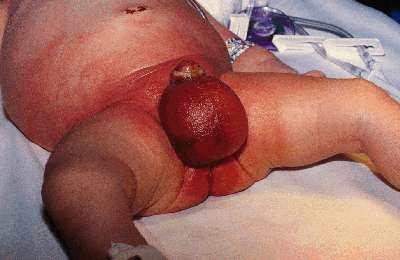
presentation of post-circumcision staphylococcal necrotizing fasciitis
Initial presentation of post-circumcision
staphylococcal necrotizing fasciitis

http://www.circumstitions.com/Restric/Images/Botched/fasc2.jpg
Patient after surgical debridement of infected tissue

Transmission of Infection

The strictest aseptic surgical technique may not prevent infection of the circumcision wound with SA because the circumcision wound may be infected while the infant patient is in the newborn nursery or in the community after leaving the hospital. SA spreads rapidly through hospital nurseries and newborn boys quickly become colonized with SA.1,3,9,17,22-30 Infection frequently affects the diaper and groin area.16,22,29 Gooch & Brit (1978) reported that 24 percent of newborns are colonized at time of discharge and, of these, 2 percent have an infection.29 Enzenauer et al. (1984) commented, "Circumcision, by its very nature, requires more staff-person 'hands-on' contact, both during the procedure and during preoperative and postoperative care," so circumcised boys are more likely to be infected.30 Boys may also become infected in the home environment after leaving the hospital.28,31

Previous Nursery Outbreaks

There are numerous reports of outbreaks of SA among circumcised boys in hospital nurseries. Remington & Klein reported 25 outbreaks from 1961 to 1987 in U.S. hospital nurseries.32 Zafar et al. (1995) reported an outbreak of MRSA in a Virginia nursery.33 Hoffman et al. (2000) reported an outbreak of erythromycin-resistant methicillin sensitive Staphylococcus aureus among circumcised boys in a newborn nursery in North Carolina.34 Rabin (2003) reported an outbreak of MRSA among circumcised boys in the St. Catherine’s Hospital nursery on Long Island.35 Saiman et al. (2003) reported the outbreak of MRSA in a New York City newborn nursery.36 Nabiar et al. (2003) reported the outbreak of MRSA in a Washington, DC, newborn intensive care unit with one death.37 Bratu et al. (2005) reported an outbreak of MRSA in the nursery of a New York City hospital and said "the introduction of CA-MRSA strains into neonatal units represents an especially serious challenge."38

Bratu et al. (2005) identify surgical operations as a risk factor for MRSA infection in the newborn.38 Other researchers identify male neonatal circumcision as a specific risk factor.39,40 Nguyen et al. (2007) report that circumcised newborn boys are twelve times more likely to get a MRSA infection than a non-circumcised boy.40

Manifestations of Infection with MRSA

Some strains of MRSA produce fulminant infection that may progress rapidly to death.4 Isaacs et al. (2004) report that osteomyelitis and/or septic arthritis occurs in connection with MSSA, but more skin infection and cellulitis occurs in connection with MRSA.9 Zetola et al. (2005) report more outbreaks of skin infections, including epidemic furunculosis with possible septic shock, and cases of severe invasive pulmonary infections, including necrotizing pneumonia, in young, otherwise healthy people.4

In a paper presented to the American Academy of Pediatrics describing the effects of methicillin-resistant Staphylococcus aureus (MRSA) in newborns, Fortunov et al. (2005) report heavy outbreaks of pustulosis in the diaper area along with invasive infections including bacteremia, urinary tract infection, musculoskeletal infections, and empyema (pus in a body cavity).31 Fortunov et al. report MRSA in boys peaks at 7-12 days of age, which would be 6-11 days after non-therapeutic neonatal circumcision.31 The incubation period reported by Fortunov et al.31 is similar to that reported by Cohen (1992) for post-circumcision urinary tract infections.41 No peak was observed in girls.11 Boys had 73 percent of all infections.31 Ten of 12 invasive infections were in boys.31

MRSA is causing new and previously unknown diseases in infants and young children. Kikuchi et al. (2003) reported a new disease called neonatal toxic shock syndrome-like exanthematous disease (NTED).40 Adem et al. (2005) report three fatal cases of staphylococcal Waterhouse–Friderichsen Syndrome in young girls.43

Mortality

Staphylococcus aureus infection was often fatal in the pre-antibiotic era.44 If the SA is methicillin-resistant, mortality increases,4,5,45,46 and death is a possible outcome of MRSA infection. Pryles (1958) reported nine deaths among 24 infants with staphylococcal pneumonia for a mortality rate of 37.5%.1 Thompson et al. (1963,1965) report a higher mortality rate for males.16,17 Fortunov et al. (2005) report one male infant death.31 The CDC (1999) reports four pediatric deaths in North Dakota and Minnesota.45 Isaacs et al. (2004) report a mortality rate of 24.6 percent for MRSA-infected newborn babies as compared with 9.9 percent for MSSA-infected babies.9 Healy et al. (2004) report a mortality rate of 38 percent among MRSA infected newborn infants.46 Vince (2004) reports 800 deaths a year from MRSA in England and Wales.47 Noskin et al. (2005) report 12,000 inpatient deaths a year in U.S. hospitals caused by MRSA.50 According to Noskin et al., a patient with MRSA infection is five times more likely to die in hospital.50 Templeton (2005) reported that, at Great St. Ormond Street Hospital in England, out of 20 children with MRSA infection aged three-years or younger, four died, including one boy, born healthy, who died from MRSA infection 36 hours after birth,51 for a mortality rate of 20 percent.

Costs

Noskin et al. (2005), using data from the National Inpatient Survey, reports that the hospital stay and costs for adult patients triple when the patient has a MRSA infection.50 No data are available for infant or child patients.

Epidemiology

MRSA infection is an emerging epidemic disease. MRSA infection is not a reportable disease, consequently, epidemiological data have not been collected.

Outmoded Medical Society Statements.

Circumcision policy statements by medical societies do not consider the impact of epidemic MRSA, so their recommendations are no longer appropriate.52-56 In fact, the American Academy of Pediatrics has issued no statement to its members on the treatment of MRSA.

Even though a recent cost-utility study did not consider the advent of MRSA, it still found non-circumcision to be the better choice for optimum health and well-being.57 Non-circumcision was the preferred medical choice prior to the arrival of MRSA in epidemic proportions,52 56 57 and is even more so today. The advent of MRSA in epidemic proportions increases risks associated with male neonatal circumcision beyond those previously contemplated and further increases the desirability of the non-circumcision option.

MRSA and other antibiotic-resistant varieties of SA, such as vancomycin-resistant Staphylococcus aureus (VRSA), increase risk, including death, to newborn circumcised boys.4,31,43,44 In view of this increased risk, the American Academy of Pediatrics and the American College of Obstetricians and Gynecologists should terminate their policy, most recently affirmed in 2002,58 of offering elective medically-unnecessary non-therapeutic neonatal circumcision at parental request.

Management of MRSA infection

Bliss et al. (1997) recommend early diagnosis, followed by rapid and aggressive treatment for a successful outcome.24 Professors Bamberger & Boyd (2005) provide a recent guidance on treatment.59 Kaplan (2005) also discusses treatment options.60 Mortality remains high even with the best treatment.59

Action Required

Doctors Opposing Circumcision consistently has advised parents that genital integrity (non-circumcision) is most likely to produce the highest state of health and well-being56,57 and is the preferred medical option for newborn boys.61 The arrival of community MRSA in epidemic proportions adds additional force to that recommendation.

Public health officials should act to suspend the performance of medically-unnecessary non-therapeutic circumcision of boys.

Hospital administrators must respond to this new threat to all newborn infants and especially circumcised male infants by limiting circumcisions to those for which there is a clear and present immediate medical indication and by increasing aseptic protocols in newborn nurseries.

Medical practitioners must consider the epidemic status of MRSA and exercise their independent judgment regarding the performance of non-therapeutic neonatal circumcision. There is an ethical duty to decline and avoid scientifically invalid treatment, especially when it puts the patient at risk.60 Doctors must act in the best interests of their child-patients regardless of parental requests.63-65 Doctors may conscientiously object to the performance of non-therapeutic circumcision of children.64-66

References:

  1. Pryles CV. Staphylococcal pneumonia in infancy and childhood. Pediatrics 1958:21(4):609-23. [Abstract]
  2. Jevons MP. "Celbenin"-resistant staphylococci. BMJ 1961;1:124-5.
  3. Curran JP, Al-Salihi FL. Neonatal staphylococcal scalded skin syndrome: massive outbreak due to an unusual phage type. Pediatrics 1980;66(2):285-90. [Full Text]
  4. Zetola N, Francis JS, Nuermberger EL, Bishai WR. Community-acquired meticillin-resistant Staphylococcus aureus: an emerging threat. Lancet Infect Dis 2005;5(5):275-86. [Full Text]
  5. Andrew E. Simor, Marianna Ofner-Agostini, Elizabeth Bryce, et al. The evolution of methicillin-resistant Staphylococcus aureus in Canadian hospitals: 5 years of national surveillance. Can Med Assoc J 2001;165:21-6. [Full Text]
  6. Khairulddin N, Bishop L, Lamagni TL, et al. Emergence of methicillin resistant Staphylococcus aureus (MRSA) bacteraemia among children in England and Wales, 1990-2001. Arch Dis Child 2004; 89:378-9. [Full Text]
  7. Gray JW. MRSA: the problem reaches paediatrics. Arch Dis Child 2004;89:297-8. [Full Text]
  8. Dietrich DW, Auld DB, Mermel LA. Community-Acquired methicillin-resistant Staphylococcus aureus in Southern New England children. Pediatrics 2004;113: e347 - e352. [Full Text]
  9. Isaacs D, Fraser S, Hogg G, Li HY. Staphylococcus aureus infections in Australasian neonatal nurseries Arch Dis Child Fetal Neonatal Ed 2004;89:F331-5. [Full Text]
  10. Kaplan SL, Hulten KG, Gonzalez BE, et al. Three-year surveillance of community-acquired Staphylococcus aureus infections in children. Clin Infect Dis 2005;40(12);1785-91. [Abstract]
  11. Gonzalez BE, Martinez-Aguilar G, Kristina G. Hulten KG, et al. Severe staphylococcal sepsis in adolescents in the era of community-acquired Methicillin-resistant Staphylococcus aureus. Pediatrics 2005;115(3):642-64.[Abstract]
  12. Purcell K, Fergie J. Epidemic of community-acquired methicillin-resistant Staphylococcus aureus infections: A 14-year study at Driscoll Children’s Hospital. Arch Pediatr Adolesc Med 2005;159:980-5. [Abstract]
  13. Kuehnert MJ, Kruszon-Moran D, Hill HA, et al. Prevalence of Staphylococcus aureus nasal colonization in the United States, 2001-2002. J Infect Dis 2006;193(2):172-9. [Medline]
  14. Sauer LW. Fatal staphylococcus bronchopneumonia following ritual circumcision. Am J Obstetr Gynecol 1943;46:583. [Full Text]
  15. Isbister C. Staphylococcal infection in infancy. Med J Aust 1959;2:629-33.
  16. Thompson DJ, Gezon HM, Hatch TF, et al. Sex distribution of Staphylococcus aureus colonization and disease in newborn infants. New Engl J Med 1963:269;337-41.
  17. Thompson DJ, Gezon HM, Rogers KD, et al. Excess risk of staphylococcus infection and disease in newborn males. Am J Epidemiol 1965;84(2):314-28. [Abstract]
  18. Kirkpatrick BV, Eitzman DV. Neonatal septicemia after circumcision. Clin Pediatr 1971;13(9):767-8. [Full Text]
  19. Annunziato D, Goldblum LM. Staphylococcal scalded skin syndrome. A complication of circumcision. Am J Dis Child 1978;132(12):1187-8. [Full Text]
  20. Woodside JR. Necrotizing fasciitis after neonatal circumcision. Am J Dis Child 1980;134(3):301-2. [Full Text]
  21. Woodside JR. Circumcision disasters. Pediatrics 1980;65:1053-54. [Full Text]
  22. Enzenauer RW, Dotson CR, Leonard T, et al. Male predominance in persistent staphylococcal colonization and infection of the newborn. Hawaii Med J 1985;44(10):389-90, 392, 394-6. [Full Text]
  23. Stranko J, Ryan ME, Bowman AN. Impetigo in newborn male infants associated with a plastic bell circumcision. Pediatr Infect Dis 1986;5(5):597-9. [Full Text]
  24. Bliss Jr DP. Healey PJ, Waldhausen JHT. Necrotizing fasciitis after Plastibell circumcision. J Pediatr 1997;31:459-462. [Full Text]
  25. Cook J, Parish JA, Shooter RA: Acquisition of Staphylococcus aureus by newborn babies in a hospital maternity department. Br Med J 1938;1:74-8.
  26. Gillespie WA, Simpson K, Tozer RC. Staphylococcal infection in a maternity hospital. Lancet 1959;2:1075-80.
  27. Hurst V. Transmission of hospital staphylococci among newborn infants. Pediatrics 1960;25:204-14. [Abstract]
  28. Payne MC, Wood HF, Karakawa W, Gluck L. A prospective study of staphylococcal colonization and infections in newborns and their families. Am J Epidemiol 1966:82:305-16.
  29. Gooch JJ, Britt EM. Staphylococcus aureus colonization and infection in newborn nursery patients. Arch Pediatr Adolesc Med 1978;132(9):893-6. [Abstract]
  30. Enzenauer RW, Dotson CR, Leonard T, et al. Increased incidence of neonatal staphylococcal pyoderma in males. Mil Med 1984:149:408-10.
  31. Fortunov RM, Hulten KG, Hammerman WA, et al. Community-acquired Staphylococcus aureus infections in term and near term previously healthy neonates. Presented at American Academy of Pediatrics Annual Conference, Washington, DC, Sunday, October 8, 2005.
  32. Remington JS, Klein JO. Infectious diseases of the fetus and newborn infant. 3rd ed. Philadelphia: WB Saunders, 1990:1001-3.
  33. Zafar AB, Butler RC, Reese DJ, et al. Use of 0.3% triclosan (Bacti-Stat) to eradicate an outbreak of methicillin-resistant Staphylococcus aureus in a neonatal nursery. Am J Infect Control 1995;23(3):200-8. [Abstract]
  34. Hoffman KK, Weber DJ, Bost R, Rutala WA. Neonatal Staphylococcus aureus pustulous rash outbreak linked by molecular typing to colonized healthcare workers. Presented at Centers for Disease Control and Prevention 4th Decennial International Conference on Nosocomial and Healthcare-Associated Infections. Atlanta, Georgia, March 5-9, 2000. [Abstract]
  35. Rabin R. Mysterious crop of staph: newborns, moms infected after stay at St. Catherine. Newsday, Long Island, New York, October 9, 2003. [Full Text]
  36. Saiman L, Cronquist A, Wu F, et al. An outbreak of methicillin-resistant Staphylococcus aureus in a neonatal intensive care unit. Infect Control Hosp Epidemiol 2003; 24:317-21. [Medline]
  37. Nambiar S, Herwaldt LA, Singh N. Outbreak of invasive disease caused by methicillin-resistant Staphylococcus aureus in neonates and prevalence in the neonatal intensive care unit. Pediatr Crit Care Med 2003;4(2):220-6. [Medline]
  38. Bratu S, Eramo A, Kopec R, et al. Community-associated methicillin-resistant Staphylococcus aureus in hospital nursery and maternity units. Emerg Infect Dis 2005,11(6): Available from http://www.cdc.gov/ncidod/EID/vol11no06/04-0885.htm [Full Text]
  39. Van Howe RS, Robson WLM. The possible role of circumcision in newborn outbreaks of community-associated methicillin-resistant Staphylococcal aureus. Clin Pediatr 2007;46(4):356-8. [Full Text]
  40. Nguyen DM, Bancroft E, Mascola L, et al. Risk factors for neonatal methicillin-resistant Staphylococcus aureus infection in a well-infant nursery. Infect Control Hosp Epidemiol 2007;28(4):406-11. [Full Text]
  41. Cohen HA, Drucker MM, Vainer S, et al. Postcircumcision urinary tract infection. Clin Pediatr 1992;31(6):322-4. [Medline]
  42. Kikuchi K, Takahashi N, Piao C, et al. Molecular epidemiology of methicillin-resistant Staphylococcus aureus strains causing neonatal toxic shock syndrome-like exanthematous disease in neonatal and perinatal wards. J Clin Microbiol 2003;41(7):3001-6. [Full Text].
  43. Adem PV, Montgomery CP, Husain AN, et al. Staphylococcus aureus sepsis and the Waterhouse-Friderichsen syndrome in children. N Engl J Med 2005;353:1245-51. [Summary]
  44. Skinner D, Keefer CS. Significance of bacteremia caused by Staphylococcus aureus. Arch Intern Med 1941;68:851-75.
  45. Engemann JJ, Carmeli Y, Cosgrove SE, et al. Adverse clinical and economic outcomes attributable to methicillin resistance among patients with Staphylococcus aureus surgical site infection. Clin Infect Dis 2003;36(5):592-8. [Medline]
  46. Cosgrove SE, Sakoulas G, Perencevich EN, et al. Comparison of mortality associated with methicillin-resistant and methicillin-susceptible Staphylococcus aureus bacteremia; a meta-analysis. Clin Infect Dis 2003;36:53-9. [Medline]
  47. Centers for Disease Control and Prevention. Four pediatric deaths from community-acquired methicillin-resistant Staphylococcus aureus—Minnesota and North Dakota, 1997-1999. MMWR Morb Mortal Wkly Rep 1999;48(32):707-10. [Full Text]
  48. Healy CM, Hulten KG, Palazzi DL, et al. Emergence of new strains of methicillin-resistant Staphylococcus aureus in a neonatal intensive care unit. Clin Infect Dis 2004;39:1460-6. [Medline]
  49. Vince G. MRSA deaths up 15-fold in a decade. New Scientist, London, February 26, 2004. [Full Text]
  50. Noskin GA, Rubin RJ, Schentag JJ, et al. The burden of Staphylococcus aureus infections on hospitals in the United States: an analysis of the 2000 and 2001 Nationwide Inpatient Sample Database. Arch Intern Med 2005;165:1756-61. [Abstract]
  51. Templeton SK. Hidden infant toll of MRSA. Sunday Times, London, April 10, 2005. [Full Text]
  52. Fetus and Newborn Committee, Canadian Paediatric Society. Neonatal circumcision revisited. Can Med Assoc J 1996; 154(6): 769-80. [Full Text]
  53. American Academy of Pediatrics Task Force on Circumcision. Circumcision Policy Statement. Pediatrics 1999;103(3):686-93. [Full Text]
  54. Council on Scientific Affairs. Report 10: Neonatal circumcision. Chicago: American Medical Association, 1999. [Full Text]
  55. AAFP Commission on Clinical Policies and Research. Position Paper on Neonatal Circumcision. Leawood, Kansas: American Academy of Family Physicians, 2002. [Full Text]
  56. Beasley S, Darlow B, Craig J, et al. Position statement on circumcision. Sydney: Royal Australasian College of Physicians, 2004. [Full Text]
  57. Van Howe RS. A cost-utility analysis of neonatal circumcision. Med Decis Making 2004;24:584-601. [Abstract]
  58. American Academy of Pediatrics, American College of Obstetricians and Gynecologists. Guidelines for Perinatal Care, Fifth Edition, November 2002: p.111.
  59. Bamberger DM, Boyd SE. Management of Staphylococcus aureus infections. Am Fam Physician 2005;72(12):2474-81. [Full Text]
  60. Kaplan SL. Treatment of community-associated methicillin-resistant Staphylococcus aureus infections. Pediatr Infect Dis J 2005;24(5:):457-8.
  61. Spilsbury K, Semmons JB, Wisniewski ZS, Holman CD. Routine circumcision practice in Western Australia. ANZ J Surg 2003;73(8):610-4. [Full Text]
  62. Opinion E8.20. Current opinions. In: Code of Medical Ethics, Chicago: American Medical Association, 1998. [Full Text]
  63. Committee on Bioethics, American Academy of Pediatrics. Informed consent, parental permission, and assent in pediatric practice. Pediatrics 1995;95(2):314-7. [Full Text]
  64. Committee on Medical Ethics. The law & ethics of male circumcision - guidance for doctors. London: British Medical Association, 2003. [Full Text]
  65. College of Physicians and Surgeons of British Columbia. Infant Male Circumcision. In: Resource Manual for Physicians. Vancouver, BC: College of Physicians and Surgeons of British Columbia, 2004. [Full Text]
  66. Denniston GC, Geisheker JV, Hill G. Conscientious Objection to the Performance of Circumcision of Children. Seattle: Doctors Opposing Circumcision, 2005. [Full Text]

Doctors Opposing Circumcision
Suite 42
2442 NW Market Street
Seattle, Washington 98107-4137
USA
Sunday, October 23, 2005.
(Revised Friday, December 2, 2005.)
(Revised Sunday, January 1, 2006.)
(Revised Sunday, January 21, 2006.)
(Revised Sunday, February 5, 2006.)
(Revised Saturday, February 11, 2006.)
(Revised Wednesday, March 8, 2006.)
(Revised Saturday, January, 12, 2008.)

http://www.doctorsopposingcircumcision.org/DOC/mrsa.html

Wednesday, April 8, 2009

Upcoming Midwifery Conference

I am so excited to be going to a midwifery conference in May in Boise, ID. The plans have fallen into place rather quickly. I will be picking up my midwife friends, Tiffany (whom I met in the Philippines)and Christy (who went to the Phils with me in '08) in Las Vegas and we are going to road trip it up to Boise.

Here are details of the conference...

May 15-16, 2009

Midwifery Volunteerism in Developing Countries

Boise, Idaho

Week-end Seminar combines continuing education credits, hands-on skills acquisition, and unique perspective on the needs of poor women and infants worldwide

During the week-end seminar you will spend time learning about maternal/child health issues in the third world, and what you can do to change the current high rate of maternal and newborn deaths. The focus will be on new and challenging research in the field of maternal/newborn/child health, as it pertains to the current global health crisis. In addition to the lectures and emergency skills workshops, you have the opportunity to learn how you can start your own non-profit organization or help establish a birth center in a needy country. You will be taught by Vicki Penwell, a midwife for 29 years, and Rose and Ian Penwell, all Certified Professional Midwives (CPM) all with vast experience in the Philippines and around the world. This training is ideal for midwives, doulas, or childbirth educators who need continuing education, anyone who has ever dreamed of taking a volunteer holiday to help women in other countries, or anyone who is interested in birth practices in other cultures and the issues of maternity care in settings of poverty. There will be lots of learning, laughter, and inspiration on this week-end that may change the way you think about birth forever.

I am going to be bring some medical donations for a birth center in the Philippines (not the one I visited) and would appreciate any donations you could share. I can pick up in the Washington County, Utah area. The items we need most in the Philippines are gloves, both sterile and non-sterile, gauze pads, band-aids, chux underpads, adult or child disposable or cloth diapers, individual packets of alcohol wipes, K-Y jelly, antibiotic ointments like Neosporin, cord clamps, vitamins, Tylenol, IB Profen, absorbable sutures, 1cc and 3cc syringes, and IV needles.

Monday, April 6, 2009

Beautiful Homebirth Video

One more advantage of homebirth...

You never have to worry if the baby you are nursing is yours. Because you gave birth unmedicated and the baby never left your side, there is absolutely no worry that you may be given the wrong baby.

__________________________________________________________________________________


By Richard Fabrizio
rfabrizio@seacoastonline.com
April 05, 2009 6:00 AM

PORTSMOUTH — It is "every parent's worst nightmare," the man on the phone said in a trembling voice.

This nightmare happened in the seemingly safe, comfortable setting of Portsmouth Regional Hospital's maternity ward. This nightmare shattered the joy of a young couple celebrating the birth of their first child.

A newborn baby girl was mistakenly given by a nurse to another mother on the fifth-floor maternity ward, and that mother breast-fed the day-old infant. The incident, which Portsmouth Regional Hospital admits, occurred in late March.

Hospital officials "don't think that this is a big deal type of thing," said the father, who requested anonymity. "It's a huge deal."

Nancy Notis, spokeswoman for Portsmouth Regional Hospital, issued a brief statement about the incident on Friday.

"We deeply regret that this event occurred," Notis said, "and we are continuing to work closely with and support the family involved. We launched a full investigation immediately after it occurred and are taking steps to avoid the occurrence of a similar event in the future."

Notis declined further comment when asked if any suspension or termination action was taken against the nurse in question. "I am not going to comment further about this situation," she said.

The mistake was corrected quickly, depending on one's perspective, but emotions ranging from anger to fear persist, and likely will for months longer.

The baby's parents, a 29-year-old father and 28-year-old mother from Portsmouth, first have to wait for results of a Hepatitis C test on their baby. Then, they must wait six more months before their baby can be conclusively tested for HIV infection, as breast-feeding can transmit the virus that causes AIDS.

Scientific studies place odds of HIV transmission through a single breast-feeding session at a fraction of a percent. A research project presented at the International Conference on AIDS in July 2000 placed the probability of breast milk transmission of HIV-1 per liter ingested at .00073 for infants. However, statistics do not always deliver comfort.

According to the father, hospital records state the baby was with the wrong mother for five minutes, but he and his wife met the other couple and believe it was much longer.

"We asked her point blank how long was our baby in her care. She said a 'significant amount of time,'" the father said.

The father and his wife demanded the hospital's video surveillance be used to determine the time their baby was with the wrong mother. They were told it would take some time to do so.

"They're falling back on that it was only five minutes versus 20 minutes, and that is up to one person's recollection of time," the father said.

Either way, it was enough for the baby to breast-feed.

"All I remember the first couple days was trying to get our baby to breast-feed took 10, 15 minutes to get the baby to latch," the father said. "The other mother admitted, yes, the baby did breast-feed."

Portsmouth Regional Hospital cannot release medical information on the other mother due to regulations under the Health Insurance Portability and Accountability Act, or HIPAA.

"If I had the mother's (contact) information, I think I'd be asking her to do this outside the hospital," the father said. "They did ask her to release her records, but she said she didn't want that information out there, supposedly. I did not attend this meeting."

The father said he only has that mother's first name. "We are hoping ... that she did not take drugs during her pregnancy."

And so they must wait.

According to the father, their baby was born on a Monday. On Tuesday night, he said, his wife reluctantly agreed to take a sleeping pill to help her rest during the difficult post-birth recovery. "We agreed," he said, "against our better judgment."

His wife's stay was further complicated, he said, because a maternity ward nurse refused to allow her mother to stay in their room overnight. Such a restriction is not hospital policy for the maternity ward, he said.

As a result of the wife's mother not being allowed to stay with the baby in her room, the couple reluctantly chose to send their baby to the nursery.

"We trusted these nurses to take care of our child," the father said. "We feel guilty; we feel very guilty about what happened. We made the wrong choice."

The next morning, a nurse came to their room to check on the wife and then came back to give her medicine. Only then did she tell them about the mistake, the father said. He estimates there was an hour between the mistake and when the nurse informed them of it. She did apologize, the father said.

"But it was bizarre that they didn't bring our baby right to us. They put her back in the nursery," he said.

The new family was released from the hospital later that Wednesday, and while the father said he doesn't want to speak poorly of the hospital, he added, "I definitely think the public has to know. We lost all faith in that hospital."

While most couples are in awe of the miracle of their first child's birth, this couples' nightmare continued to grow.

The father provided the name of the second father to Seacoast Media Group. According to Portsmouth Herald archives, he's a city resident with a criminal record, including domestic violence, simple assault and rape. He served four months in prison for false imprisonment and assault convictions. His latest arrest came last August, when he was arrested and charged with violating his bail conditions.

The father in the other couple is black and the mother is white, making the mistake more difficult for the first couple to comprehend.

"Why didn't she give our baby back?" the father asked. "A nurse went in and noticed the baby was a different color than theirs and said, 'That's not your baby.'"

The father said he has some sympathy for the other couple. "I do," he said. "I'm not one to judge someone else on their past. His own privacy is his, but that's the risk they put our child in."

Phone calls to the other father's residence and a visit to his home did not result in an interview with him.

The father said he and his wife want the hospital to document in writing all of the involved events. "I want to know exactly how this error occurred," he said.

He said they were told the nurse got the last digit wrong on the baby's identification tag. Hospital protocol is to confirm the baby's ID tag with the mother's or father's as well as to correctly match the names.

Beyond ID tags and technology, there is a name card on the bassinet in which babies are wheeled between parents' rooms and the nursery. "The ID card was on the bassinet," the father said. "She did not follow protocol of looking at the cart, the ID number, room number, the baby's race. All these things were missed by her."

The couple's baby is now about two weeks old, and as they deal with the expected sleepless nights, their struggle knows no boundaries of the uncertainties of being first-time parents.

They must wait, wonder and worry if something awful awaits come September.

Even if the second mother agrees to an HIV test and is negative, and all other health tests on the baby are fine, nothing will ever undo the mistake that robbed this couple of their joyous occasion, the father said.

"We're, ahhh," the father said, his voice trembling, "I can't even put it into words. My wife has been physically sick. I'm trying to support her. I think it's every parent's nightmare."

http://www.seacoastonline.com/articles/20090405-NEWS-904050348

Caesarean link to surge in hysterectomies

Jan Battles

Doctors in Dublin’s maternity hospitals are performing an increasing number of life-saving hysterectomies on mothers who have previously had caesarean sections. The upsurge in the number of births by c-section has led to a marked increase in emergency operations to remove women’s wombs due to a condition called placenta accreta, according to a new study.

The problem is caused where the placenta, or afterbirth, attaches too deeply into the wall of the womb. The risk of the condition is increased by the presence of scar tissue from previous caesareans.

Doctors from the Rotunda, Holles Street and the Coombe hospitals analysed charts of all patients who had emergency hysterectomies after giving birth in the 40 years between 1966 and 2005. Of the 320 cases, 43 of them were due to placenta accreta. It accounted for only one in 20 emergency hysterectomies from 1966 to 1975 but 47% of those between 1996 and 2005 when almost half (20) the cases occurred. The caesarean rate rose from 6% to 19% over the same period and now stands at about one in four births.

The findings are consistent with international studies. One study in the Netherlands where the rate of c-sections was 14% found that accreta accounted for 50% of cases of peripartum hysterectomy.

Writing in the American Journal of Obstetrics & Gynecology, the authors of the Irish survey say: “There is a concern that there will be a rise in the number of obstetric hysterectomies required in the future because of placenta accreta alongside significant maternal morbidity.”

The doctors cite international studies that show women who have had one previous c-section have more than double the risk of emergency hysterectomy in the next pregnancy and those who have had two or more have at least 18 times the risk.

“The only thing you can do is be cautious with the number of c-sections that are done,” said Fergal Malone, professor of obstetrics and gynaecology at the Rotunda hospital and the Royal College of Surgeons. “We are seeing more patients back again for their second and third c-section and it would appear that the lining of the uterus is much stickier than if you never had one, therefore the placenta is probably going to be more adherent.

“When it comes to take the placenta out it is stuck, and that leads to a much higher chance of having to do a hysterectomy.”

Tracy Donegan, author of The Better Birth Book, said: “This is an unfortunate side-effect of the increase in the caesarian rate, but I don’t think women really understand the implications. It has become so routine now women don’t consider it a big deal even though it’s major abdominal surgery.”

Donegen said the rate of caesareans has also increased because hospital policy is to induce births that are more than 10 days past the due date. “Nearly half of those women, especially first-time mothers, are likely to have a c-section because they’ve been induced at 10 days,” said Donegan, founder of Doula Ireland, an organisation of birth assistants.

“The World Health Organisation recommends the rate be 15% at the most,” said Donegan. “Anything above that is unnecessary. We’re at about 25% nationally, but some hospitals are up to 29%.”

It is not automatically the case that a woman who has had one baby by caesarean has to have all subsequent children the same way.

“Most women should be encouraged after having a caesarean to go for a normal vaginal birth, assuming everything is fine,” said Donegan. “The three Dublin hospitals have a fairly good record of encouraging women to have vaginal birth after caesarean (VBAC) because with the next pregnancy you are looking at a placenta accreta. Women aren’t getting the information so they can make that informed decision as to whether they go for VBAC or another caesarean.”

Malone said the number of women choosing caesareans because they are “too posh to push” is exaggerated. “It’s much spoken about in the press but in reality the number of patients who come in for maternal request c-sections is very small.”

He said the recent increase in c-sections was partly due to changes in practice. “Up until about 10 years ago delivering breech babies vaginally was commonplace. But recent data shows that they have about five times higher chance of brain injury than a breech baby delivered by caesarean. Very few babies that are breech are now delivered vaginally. Also, patients are giving birth much older now than in the past. About 25% of babies born in the Rotunda are to mothers over 35, whereas 15 years ago it was only about 15%.”

Emergency hysterectomies due to other causes, such as rupture of the womb, fell in the last four decades as medical techniques have improved, according to the study.

http://www.timesonline.co.uk/tol/news/world/ireland/article6037134.ece

Friday, April 3, 2009

Extended Rear Facing

With our last three children we left them rear facing well past their first birthdays. Our second was 21 mos, our third was 3.5 years and our last baby was 2.5 years. We have used Britax carseats that have a higher rear facing limit (35 lbs) and have been very happy with them. Our kids have been comfortable and never complained.

___________________________________________________________________________________

Keep your toddler in a rear-facing car seat until age 2 (not 1)
Lori O’Keefe
Correspondent

New research indicates that toddlers are more than five times safer riding rear-facing in a car safety seat up to their second birthday. Following are some safety tips for car seat use:

All infants should ride rear-facing in either an infant car seat or convertible seat.

If an infant car seat is used, the infant should be switched to a rear-facing convertible car seat once the maximum height (when the infant’s head is within 1 inch of the top of the seat) and weight (usually 22 pounds to 32 pounds) have been reached for that infant seat as suggested by the car seat manufacturer.

Toddlers should remain rear-facing in a convertible car seat until they have reached the maximum height and weight recommended for the model, or at least the age of 2.

To see if your car seat is installed properly and to find a certified passenger safety technician in your area, visit www.seatcheck.org or www.nhtsa.dot.gov/cps/cpsfitting/index.cfm. You also can call 866-SEATCHECK (866-732-8243) or 888-327-4236.


http://www.cpsafety.com/articles/stayrearfacing.aspx

http://www.carsafety4kids.com/rearfacing.html